
In the world of marketing, “Advertising Lights” have become a pivotal element in capturing consumer attention. As we approach 2026, trends in this field are evolving rapidly. Brands now seek innovative ways to stand out. Lighting strategies are essential for creating memorable experiences.
The intersection of aesthetics and technology is redefining marketing. Bright, energizing displays draw more eyes. This shift signifies that brands are prioritizing creativity over conventional methods. They need to rethink how they use lights to communicate their messages effectively. With the rise of LED technology, options are now endless.
However, not all trends will succeed. Many companies may struggle to implement these ideas effectively. Poor execution can lead to misunderstandings about a brand’s identity. It’s crucial for marketers to remain adaptable. They should always reflect on the impact of their choices. Understanding consumer psychology is vital for success in this dynamic landscape.
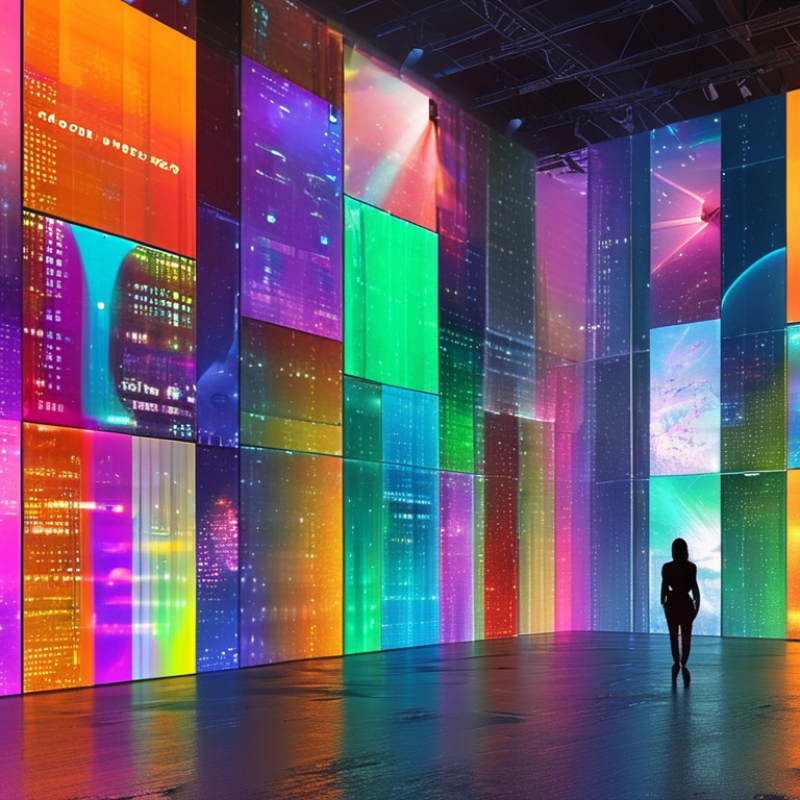
In 2026, advertising lights will take a revolutionary turn, driven by emerging technologies. Light-emitting diodes (LEDs) will become smarter with integrated sensors. These advanced sensors can gather data on audience engagement, adjusting brightness and color in real-time. This creates a dynamic user experience that changes in response to viewer reactions.
Augmented reality (AR) will also play a pivotal role in advertising lights. Imagine walking down a street and seeing vibrant holograms that interact with your smartphone. These AR displays can provide personalized content, attracting more attention than static ads. The blend of physical and digital will blur the line between reality and marketing. Yet, this innovation invites concerns about privacy and data security.
Furthermore, energy efficiency will be paramount. Brands will strive to utilize eco-friendly materials and renewable energy sources. This shift not only reduces costs but also positions brands as responsible leaders. However, the transition may present logistical challenges. The quality of light must not be sacrificed for sustainability. Companies will need to balance these aspects carefully. Embracing these emerging technologies will change the advertising landscape, but caution is essential.
The advertising lighting industry is increasingly focusing on sustainability, aiming to reduce its environmental impact. Recent reports indicate that nearly 70% of consumers prefer brands that demonstrate eco-friendly practices. This shift towards greener solutions is reflected in the adoption of energy-efficient LED technology. LEDs consume up to 80% less energy compared to traditional lighting, suggesting a significant reduction in carbon footprints.
Sourcing materials responsibly is another crucial trend. Research shows that using recycled materials can cut production waste by as much as 50%. Many companies are now prioritizing sustainable sourcing to create their lighting solutions. However, this transition is not without challenges. The initial costs of sustainable materials can deter some businesses. Yet, the long-term benefits often outweigh these costs, leading to improved brand loyalty and customer trust.
The industry must also address the issue of waste management. A significant amount of advertising lighting ends up in landfills. By implementing recycling programs, brands can minimize waste. It's essential to rethink end-of-life strategies for lighting products, ensuring they are reused or recycled properly. This holistic approach to sustainability can redefine advertising lighting in the coming years.
In the ever-evolving landscape of advertising, innovative design trends are crucial for creating eye-catching displays. A recent industry report indicates that 70% of consumers are more likely to engage with visually appealing advertisements. This highlights the need for brands to adopt fresh and captivating design concepts.
One notable trend is the use of augmented reality (AR) in advertising. AR technology allows customers to interact with products in a virtual space. Studies show that AR ads enhance user engagement by 200%. This interactive element can transform conventional displays, making them more memorable and effective. Brands that incorporate AR not only capture attention but also encourage potential buyers to explore their offerings further.
Another significant trend is the focus on sustainable design. As consumers become more environmentally conscious, brands are shifting towards eco-friendly materials and practices. Reports suggest that 65% of consumers prefer brands that promote sustainability. This trend not only reflects social responsibility but also enhances brand image. However, the challenge lies in balancing eco-friendliness with design aesthetics, which can sometimes lead to limitations in creative expression. Adopting sustainable design is not just a trend; it is an essential part of modern advertising strategies.
| Trend | Description | Impact on Advertising |
|---|---|---|
| Dynamic LED Displays | Use of high-definition LED technology to create stunning visual displays that can change in real-time. | Enhances viewer engagement and allows for timely marketing messages. |
| Sustainable Lighting Solutions | Integration of eco-friendly materials and energy-efficient lighting technologies. | Promotes brand responsibility and attracts environmentally conscious consumers. |
| AR-Enhanced Advertisements | Augmented reality features that allow interactions with ads through smartphones or AR goggles. | Creates an immersive experience that enhances consumer interest. |
| Interactive Light Installations | Utilizing sensors to trigger lighting changes based on viewer movement or actions. | Encourages increased foot traffic and social media sharing of experiences. |
| 3D Projection Mapping | Projecting visual content onto irregular surfaces to create a transformative experience. | Captivates audiences and maximizes brand visibility. |
LED technology has transformed the landscape of advertising lighting in remarkable ways. Its energy efficiency allows for vibrant displays, captivating thousands of potential customers. The brightness and color range of LEDs enhance visibility, making ads more appealing. However, there's a catch. Some designs may become overly bright, risking eye strain for onlookers. This presents a challenge in balancing impact and comfort.
Another crucial aspect is longevity. LEDs last significantly longer than traditional bulbs, reducing maintenance costs. Brands can invest in creative and dynamic advertising strategies without worrying about frequent replacements. Yet, reliance on LEDs can lead some to neglect other forms of lighting that may be more appropriate for specific environments. Effective advertising lighting should consider the context, ensuring each aesthetic choice resonates with the target audience.
Moreover, the integration of smart technology with LEDs introduces interactivity. This exciting trend allows for real-time updates and dynamic content. Nonetheless, it raises questions about over-saturation. If every display competes for attention, does any of it truly stand out? As brands navigate these innovations, they must remain thoughtful about the user experience, focusing on connection rather than merely brightness.
Customization and personalization are transforming advertising light strategies, making them more engaging and effective. With advancements in technology, brands can now create tailored experiences through lighting. Customization allows businesses to design unique lighting displays that reflect their brand identity. Personalized elements, such as adjusting colors and intensity based on the target audience, significantly enhance customer attraction.
Using data analytics, companies can identify customer preferences. This information drives the creation of customized light displays that resonate with specific audiences. Brands can test different lighting designs to see which ones garner more attention. Feedback from these experiments can improve future strategies. However, it is essential to ensure that these designs are not overly complicated. Simplicity often leads to clarity and more memorable experiences.
While exploring personalization in lighting, brands face the challenge of striking a balance. Overwhelming customers with too many options can lead to confusion. Too little personalization may result in missed opportunities. Continuous refinement is necessary. The key is to listen to customer responses and adjust accordingly. By doing so, businesses can create advertising light strategies that genuinely connect with their audiences.
: Emerging technologies, such as integrated sensors and LED advancements, will shape the future of advertising lights.
They gather data on audience engagement, adjusting brightness and color in real-time for a dynamic experience.
AR creates vibrant holograms that interact with smartphones, providing personalized content to attract attention.
Privacy and data security concerns arise as the line between reality and marketing blurs.
Companies aim to use eco-friendly materials and renewable energy sources to reduce costs and foster responsibility.
Transitioning to sustainable options may present logistical challenges without compromising light quality.
Customization makes lighting displays more engaging, reflecting brand identity and attracting specific audiences.
Data analytics helps brands identify customer preferences, driving tailored light displays that resonate with audiences.
Striking a balance is critical; too many options can confuse, while too few can miss opportunities.
Continuous feedback and adjustments based on customer responses will help improve future strategies.
As we look forward to 2026, the landscape of advertising lights is poised for significant transformation, driven by emerging technologies that enhance illumination and visual engagement. Innovations in LED technology are reshaping the effectiveness of advertising lights, allowing for more vibrant displays that capture attention while minimizing energy consumption. Additionally, the push for sustainable practices is encouraging brands to adopt eco-friendly lighting solutions that appeal to environmentally conscious consumers.
In this evolving domain, innovative design trends are evident, as businesses seek to create eye-catching advertising displays that resonate with their target audiences. Customization and personalization are becoming crucial strategies, allowing for tailored lighting experiences that enhance brand storytelling. Together, these trends are set to redefine how advertising lights captivate and connect with consumers in the coming years.
