Planning a funeral is a deeply personal task, requiring careful attention to detail and sensitivity. To ensure everything runs smoothly, having the right Funeral Supplies is essential. John Smith, a renowned expert in the funeral planning industry, emphasizes, "Proper supplies can make a challenging time more manageable." His insight highlights the importance of being prepared.
Funeral Supplies include a range of items, from caskets to flowers, each serving a vital role. Choosing meaningful decorations or personalized tributes can enhance the experience for mourners. It is important to reflect on what is truly needed. Some planners may overlook simple essentials, thinking they are unimportant. Yet, these small aspects can help commemorate a loved one effectively.
Every planner’s journey is different. Understanding which Funeral Supplies are necessary can be overwhelming. Mistakes can happen, leading to regrets. So, being intentional in choosing supplies fosters not only remembrance but also healing. By paying attention to these details, planners can create a meaningful farewell that resonates with everyone involved.
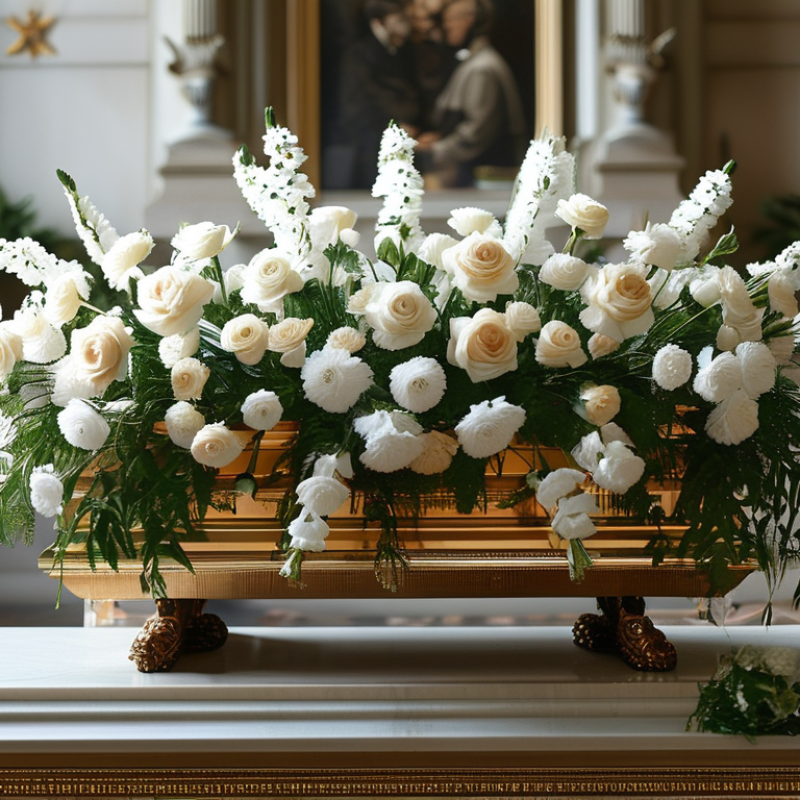
Essential Types of Funeral Supplies for Planners
Planning a funeral requires careful consideration of essential supplies. These supplies fall into several categories, each crucial for a seamless process. Basic items include caskets, urns, and memorial stationery. A report from the National Funeral Directors Association (NFDA) states that 79% of people prefer to pre-plan their funeral, highlighting the importance of these supplies.
Emotional support items are equally vital. Grief resources provide comfort to the bereaved. The inclusion of keepsakes, such as memory boxes, helps families cherish their loved ones. Statistically, about 62% of families find solace in these personal memorials, making them an essential part of any planning process.
It's important to regularly assess supply needs. Inventory checks can prevent last-minute shortages. Additionally, always consider feedback from families about the supplies they found most helpful. Learning from past experiences can improve future planning efforts. Introspection about what worked and what didn't ensures that planners provide the best service possible.
Key Funeral Home Equipment for Organizing Services
Planning a funeral requires careful organization and attention to detail. Essential equipment includes high-quality caskets and urns. These should reflect the deceased's personality and preferences. Well-designed viewing rooms allow families to gather and say their goodbyes in a comfortable space.
Another key element is reliable transportation for the deceased. Hearses or service vehicles must be available to handle logistics smoothly. Setting up a well-equipped preparation room is also crucial. This space should have the necessary tools for preparing remains respectfully and professionally. Families appreciate transparency, so it’s important to have pricing details clearly outlined.
Funeral supplies can vary widely. Each planner may have different needs based on cultural or religious practices. It's essential to remain flexible and open to feedback from families. This helps create a personalized experience, although it can be challenging at times. Reflecting on past experiences can lead to improvements, ensuring that services honor the deceased while supporting grieving families effectively.
Vital Documentation and Permits Required for Funeral Planning
Funeral planning requires meticulous organization, especially when it comes to documentation and permits. Research indicates that nearly 70% of families face confusion about the necessary paperwork. Essential documents include the death certificate, burial or cremation permit, and any pre-arranged plans made by the deceased. The death certificate, a vital record, must be obtained from the local authorities. It typically requires information such as the deceased's full name, date of birth, and social security number.
Moreover, understanding local regulations is crucial. Many regions mandate specific permits for burial or cremation, often requiring notifications to health departments. Obtaining these permits may take time and can delay the planning process. It’s common for families to feel overwhelmed, as each jurisdiction has different rules. Often, planners encounter unexpected challenges when gathering these documents.
Some families may overlook pre-need arrangements made in advance. These arrangements could simplify the process significantly, yet many are unaware of their existence. Regular reviews of documentation and local laws are advisable to prevent missteps. The emotional burden of planning can cloud judgment, making it essential to consult professionals whenever needed. Families should prioritize accurate documentation to honor their loved ones effectively and avoid potential complications.
What Are the Essential Funeral Supplies Every Planner Needs?
| Item |
Description |
Required? (Yes/No) |
Notes |
| Casket |
Container for the deceased. |
Yes |
Various styles and materials available. |
| Urn |
For storing ashes after cremation. |
Optional |
Choose based on preferences. |
| Funeral Home Services |
Professional services for handling arrangements. |
Yes |
Can include transportation and embalming. |
| Death Certificate |
Official documents required for legal purposes. |
Yes |
Must be obtained from local authorities. |
| Burial Permits |
Required to authorize burial. |
Yes |
Check local laws for specifics. |
| Transportation |
Vehicles for transporting the deceased and family members. |
Yes |
Includes hearses and limousines. |
| Memorial Items |
Photos, programs, and tributes. |
Optional |
Personalize based on deceased's life. |
Important Personal Touches: Customization Options for Funerals
Planning a funeral involves more than logistics; it’s about honoring a life. Personalized touches can make a difference. Families often want unique elements that reflect their loved one’s personality. Customized memorial services can include favorite songs or personal stories. Simple details, like photo displays or themed décor, can evoke cherished memories.
Selecting the right flowers matters too. Consider choosing blooms that were significant to the deceased. A vibrant arrangement can add warmth to a somber occasion. Attendees might appreciate a small card detailing the meaning of the flowers.
Memorial keepsakes offer comfort. Customized items can include engraved stones, bracelets, or bookmarks. These tokens serve as reminders of the individual and can help with the grieving process. It’s essential to think about what resonates with the family. Reflect on what made the person unique and how best to commemorate their spirit.
Funeral Transportation Needs: Vehicles and Caskets Explained
Funeral transportation needs are crucial for a smooth service. The choice of vehicle can set the tone for the entire event. A hearse is the traditional vehicle used for transporting the deceased. It provides a dignified way to honor one’s final journey. Additionally, there are other vehicles needed for family members and attendees. Limousines or simple vans can offer comfort during a tough time.
Consider the type of casket as well. Caskets come in various materials, styles, and prices. The choice reflects personal, cultural, or religious preferences. Each casket serves both as a resting place and a symbol of love. Wood caskets often portray warmth, while metal ones can signify strength and permanence.
Think about the details—these can shape the experience. Check local regulations regarding casket specifications and transportation methods. Understanding these rules can prevent unnecessary stress. Reflect on personal values during this process. This ensures that the decisions made align with the wishes of the deceased and their family.
FAQS
: Essential supplies include caskets, urns, and memorial stationery. They are crucial for smooth planning.
They are vital for grieving families. Grief resources and keepsakes provide comfort and help cherish memories.
Regular checks prevent last-minute shortages. It ensures all necessary supplies are available during planning.
Listening to families helps identify useful supplies. Past experiences guide future planning efforts effectively.
High-quality caskets, urns, and well-designed viewing rooms are essential. Each should reflect the deceased’s preferences.
It ensures smooth logistics for the deceased. Availability of hearses or service vehicles is key during planning.
Transparency is crucial. Clearly outlined pricing helps families understand costs and reduces potential for confusion.
No, supplies vary based on cultural or religious customs. Flexibility is needed to create personalized experiences.
Reflecting on past experiences can lead to improvements. Learning what worked or didn’t is essential for growth.
Yes, it can be tough to meet diverse family needs. However, staying open to feedback helps create a better experience.
Conclusion
Planning a funeral involves a wide range of essential Funeral Supplies to ensure the event is organized and respectful. Among these, key types include items for service organization, such as ceremonial decor and seating arrangements, along with vital documentation, which encompasses permits and legal papers necessary for carrying out the procedures. Additionally, planners must consider the importance of funeral home equipment, which aids in the seamless execution of services while providing comfort to grieving families.
Customization plays a crucial role in making each funeral unique, with options that allow personal touches to honor the deceased meaningfully. Furthermore, understanding funeral transportation needs is vital, encompassing the choice of vehicles and caskets that reflect the wishes of the family and the deceased. By carefully selecting appropriate Funeral Supplies across these categories, planners can create a dignified and memorable tribute to loved ones.